Mix & Match

Maximize your wardrobe with clever combinations

The Third Piece Rule: The One Styling Habit That Finishes Every Outfit

2026-07-15

Quick Answer: The third piece rule says a top and bottom make an outfit “dressed,” but adding one more layer — a blazer, cardigan, vest, or bold accessory — makes it “styled.” That single extra piece signals intention, and it’s the fastest, cheapest way to upgrade a basic outfit without buying anything new.

You put on jeans and a plain white tee, glance in the mirror, and something feels unfinished. It’s not the color, and it’s not the fit. It’s a missing-piece problem, and stylists have a name for the fix.

The Third Piece Rule: The One Styling Habit That Finishes Every Outfit

At a glance

What Exactly Is the Third Piece Rule?

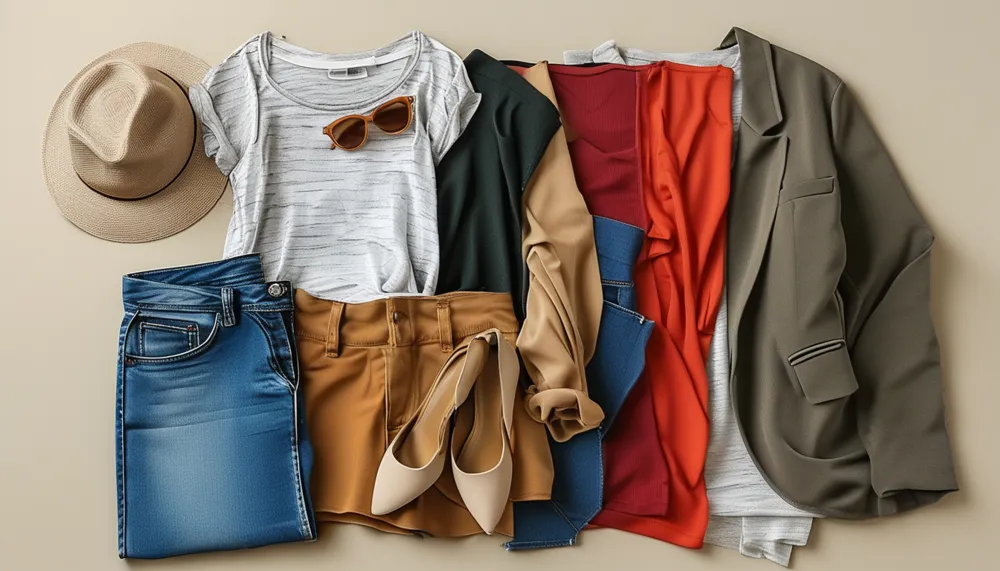
The idea is simple enough to remember forever: two pieces cover your body, and a third piece composes the outfit. A tee and jeans is basic grammar — it works, but it doesn’t say much. Throw a blazer or an overshirt on top, and suddenly you’ve written a full sentence with style in it.

Retail trainers teach this to new stylists on day one because it’s true almost every time. That gap between “fine” and “finished” is exactly one garment wide, and the third piece is what closes it. It’s also why so many office-athleisure brands built their whole look around this exact formula — a fitted base plus one structured layer.

What Counts as a Good Third Piece?

Not every extra layer earns its spot, but a handful of go-tos work almost universally:

  • The blazer — the reigning champion of third pieces, works over nearly anything
  • The cardigan or long knit — softer, more relaxed, great for weekends
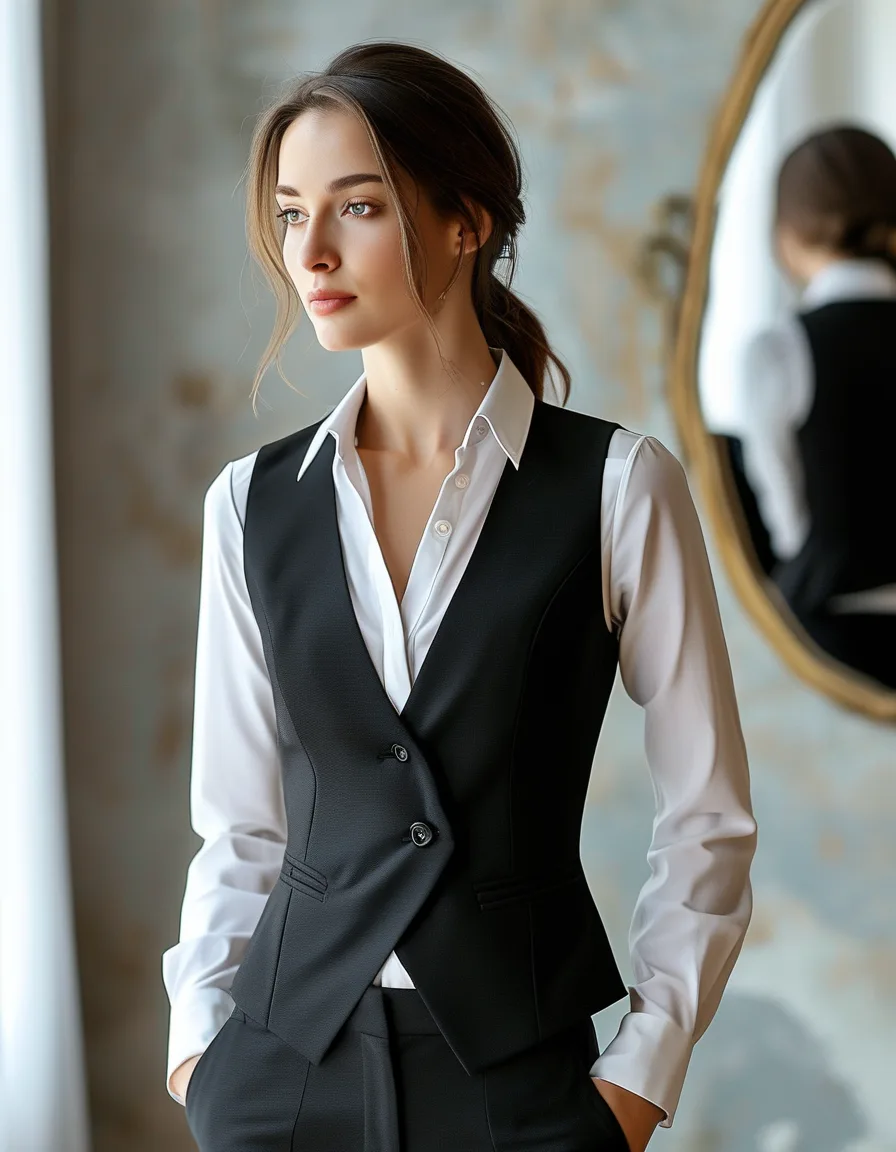
  • The vest — having a real style moment right now
  • The overshirt — casual but still clearly “put together”
  • A trench or coat — doubles as your outerwear and your finishing piece
  • Statement accessories — a bold necklace, a wide belt, or a printed scarf can count too, if it carries enough visual weight on its own

The Third Piece Rule: The One Styling Habit That Finishes Every Outfit

How Do You Actually Use This Rule Day to Day?

This is where the rule earns its keep, because it works in about thirty seconds flat:

  • Running errands: tee and jeans, plus an overshirt thrown on over it. Done — you look like you tried, even though you barely did.
  • At the office: a shell-and-trouser combo, rotated with two or three blazers, gets you a full week of outfits from a handful of pieces.
  • Over a dress: a slip dress on its own is pretty, but add a fine-knit cardigan or a moto jacket and it goes from “nice” to genuinely editorial.
  • In summer: when it’s too hot for real layers, a lightweight linen shirt worn open is your heat-legal third piece — the anchor of the classic “French five-piece” wardrobe.

How it works

Is It Actually Worth Buying More Clothes for This?

Here’s the part that makes the rule worth remembering past this one article: third pieces are the highest-leverage category in your whole closet. One genuinely great blazer can style twenty different outfits, which makes its cost-per-wear absurdly low compared to almost anything else you own.

When you’re capsule-wardrobe shopping, give your “third piece shelf” real budget priority — it pulls more weight than another basic tee ever will. A useful filter for any new purchase is to just ask, “what would this go over?” If you can’t answer, skip it.

5 Mistakes Everyone Makes With the Third Piece Rule

Even once you know the rule, it’s easy to fumble the execution. Watch out for these:

  1. Picking a third piece that’s too matchy. If everything is the exact same shade, it reads as a uniform, not an outfit.
  2. Going too oversized on top of an already loose base. Pick one loose element and one fitted one, or you’ll disappear into the fabric.
  3. Forgetting proportion. A long cardigan over a long dress usually just looks like more fabric, not more style.
  4. Skipping the third piece entirely on “low effort” days. Ironically, that’s exactly when it helps the most.
  5. Buying trendy thirds instead of versatile ones. A well-cut neutral blazer will outlast and outperform a trend-driven vest almost every time.

Frequently Asked Questions

What is the third piece rule in fashion?

It’s the styling principle that a top and bottom create a “dressed” outfit, while adding one more layered or accessory piece — like a blazer, cardigan, or vest — makes it “styled.” The extra piece signals effort and intention, which is what reads as put-together to other people.

Can accessories count as a third piece?

Yes, as long as they carry enough visual weight to register as a deliberate addition. A statement necklace, a wide belt, or a printed scarf can all serve as the “third piece” in outfits where a jacket or cardigan wouldn’t make sense, like in the heat of summer.

What’s the best first third piece to buy?

Most stylists point to a well-tailored neutral blazer, since it works over jeans, dresses, trousers, and even athleisure. It has the best cost-per-wear of almost anything in a modern wardrobe, which makes it a smart first investment.

TL;DR:

  • The third piece rule: top + bottom = dressed; add one more layer = styled
  • Best thirds: blazer, cardigan, vest, overshirt, trench, or a statement accessory
  • Works everywhere — errands, office, over dresses, even in summer with a light linen shirt
  • Third pieces are your highest cost-per-wear purchase, so prioritize them when shopping
  • Avoid matching everything too closely and watch your proportions when layering

Keep Reading

This article is for general styling and informational purposes only. Trends, sizing, availability and pricing may vary by brand and season.

third piece ruleoutfit finishingstyling rules

← All articles