The Art of Mixing Textures: How to Combine Fabrics for Depth and Interest
Mixing textures is the styling trick that adds richness and interest to an outfit without adding a single color or print — the knit against leather, the silk against denim, the matte against shine. The mix-and-match edit on the art: the case, how to combine textures and the by-season formulas.
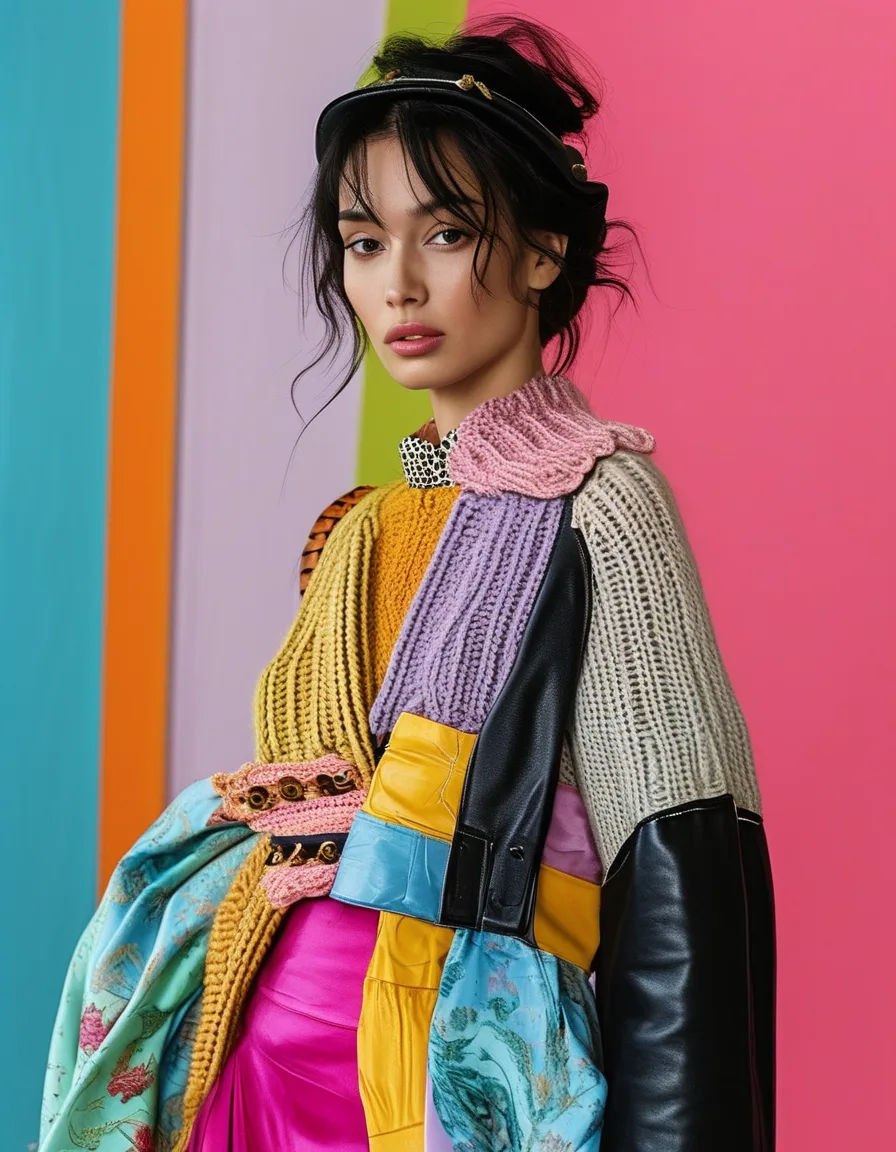
The Texture-Mixing Case
Why mixing textures elevates: the interest-without-color-or-print (the depth from texture alone — the richness without loudness; the texture-mixing-guide foundation), the reads-considered-and-rich (the mixed textures looking intentional-and-elevated — the styling-sophistication; the depth-and-interest), the works-in-any-palette (the texture-mixing within neutrals or any palette — the tonal-with-texture; the monochrome-with-depth), the the-tactile-dimension (the outfit made three-dimensional by texture contrast — the flat-to-rich), and the reframe (the texture-mixing as a color-free way to add depth-and-interest).
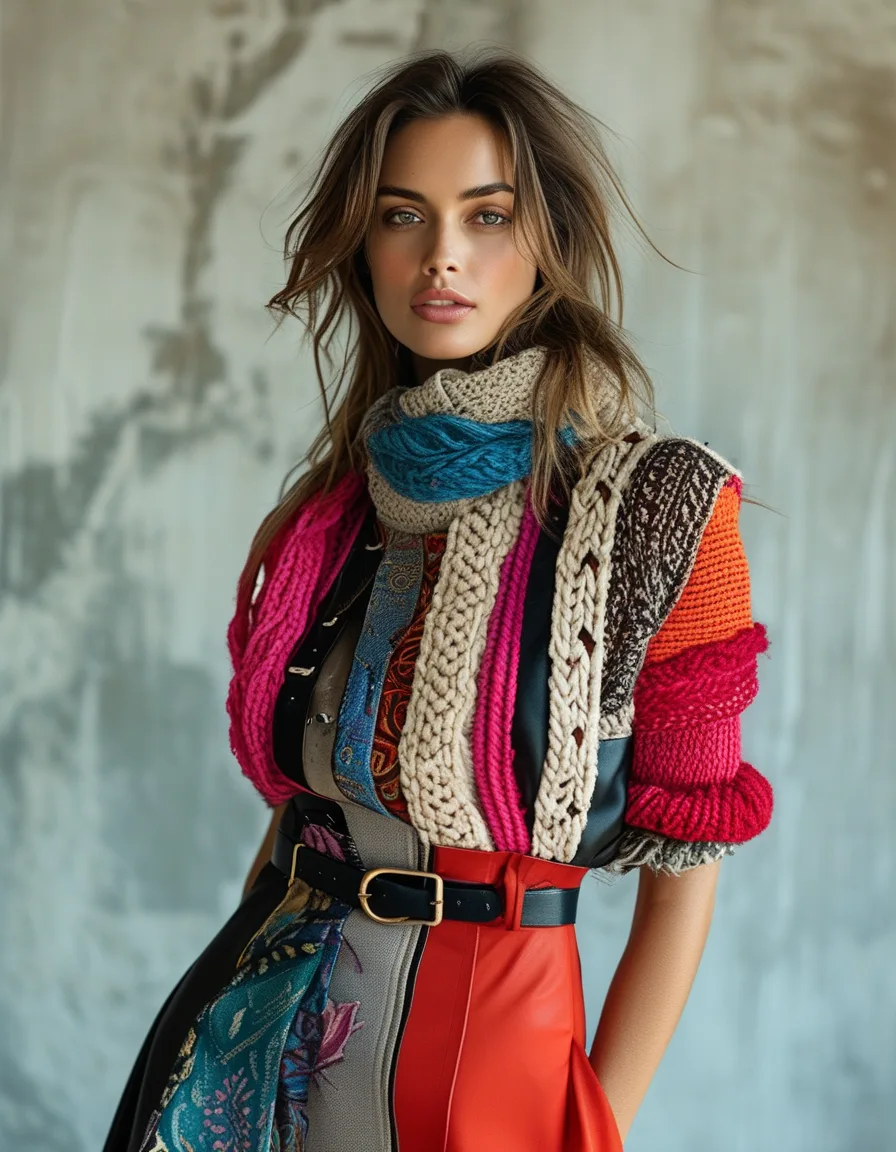
The How-to-Combine-Textures Method
Combining textures well: the contrast-matte-and-shine (the matte against sheen — silk with wool, satin with denim — the classic contrast), the mix-hard-and-soft (the leather against knit, structure against drape — the tension that works), the rough-and-smooth (the chunky knit against smooth silk — the tactile contrast), the the-tonal-texture-mix (the same-color, different-texture — the monochrome-with-depth; the tonal-texture-play), the balance-the-mix (the two-or-three textures, not chaos — the edited-contrast; the considered-mixing), the the-third-piece-texture (the textural third piece from the third-piece-rule chapter — the layer-that-adds-depth), and the let-texture-do-the-work (the texture-mixing in a simple-palette — the interest-from-fabric-not-color; the sculptural-and-textural).
The By-Season Formulas
Texture-mixing by season: the the-winter-mix (the chunky knit, leather, wool and shearling — the cold-weather-richness; the layering-textures), the the-summer-mix (the linen, silk, cotton and fine-knit from the texture-minimalism logic — the lightweight-texture; the summer-depth), the the-transitional-mix (the mixed textures for transitional layering — the season-shift interest), the tonal-and-textural (the single-color, multi-texture outfit — the elevated-monochrome; the tonal-dressing depth), the one-statement-texture (the single textural statement — velvet, leather, sequin — the texture-as-focal), the elevate-basics-with-texture (the basics elevated by textural pairing from the make-basics-look-expensive logic — the depth-from-fabric), and the frame (texture-mixing as matte-and-shine, hard-and-soft, tonal-texture combined-with-balance and by-season — the depth-and-interest from fabric alone. Mix matte-and-shine, hard-and-soft, rough-and-smooth — two-or-three textures, balanced, in any palette — for outfits with depth and interest from fabric alone.
Mixing textures adds richness and interest to an outfit without a single extra color or print — the knit against leather, silk against denim, matte against shine. Combine them: contrast matte-and-shine (silk with wool), hard-and-soft (leather against knit), and rough-and-smooth (chunky knit against silk), or do a tonal texture-mix (same color, different texture) for monochrome depth — keeping it to two-or-three textures, balanced. Do it by season (chunky knit-leather-wool for winter, linen-silk-cotton for summer), and use a textural third piece. The depth-and-interest that comes from fabric alone.
Keep Reading
This article is for general styling and informational purposes only. Trends, sizing, availability and pricing may vary by brand and season.