Mix and Match: How to Get 30 Outfits From 12 Pieces
You open your closet, and it’s genuinely stuffed, yet you still stand there most mornings thinking you have nothing to wear. That’s not a wardrobe problem — it’s a coordination problem, and it has a genuinely simple fix.
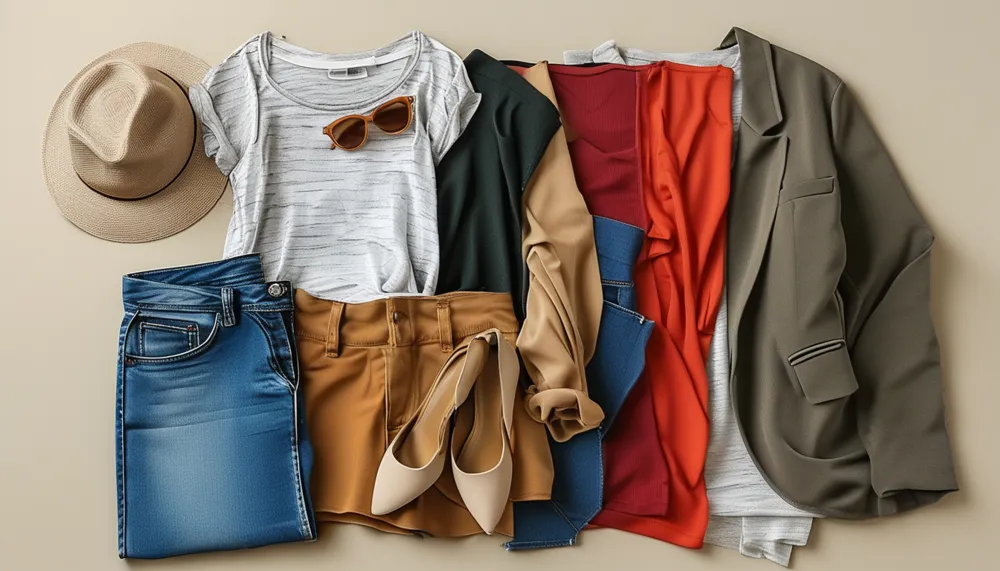
Quick Answer: You can get roughly 30 outfits from just 12 pieces by choosing items that share one cohesive color palette, picking versatile silhouettes that layer easily, combining pieces in different layered combinations, and swapping accessories to change how each outfit reads. A handful of coordinated basics beats a closet stuffed with pieces that don’t talk to each other.
It sounds like a magic trick, but it’s really just smart math: with the right twelve pieces, you can create thirty distinct outfits — maybe more. The secret is choosing items that all work together from the start.

Why does a cohesive color palette matter so much?
The foundation of any mix-and-match wardrobe is a tight color story. When your pieces share a palette — think 2 to 3 neutrals plus one or two accent colors — every top works with every bottom, with no awkward pairings to work around.
That coordination is what multiplies twelve pieces into dozens of outfits instead of just twelve separate looks. Without it, you can own beautiful clothes that still don’t add up to a functional wardrobe.
Here’s roughly how the math works: 4 tops paired with 4 bottoms alone gives you 16 combinations before you’ve even added a dress or a layering piece. Add a couple of dresses and a blazer or cardigan into the rotation, and you’re well past 20 distinct looks without buying anything extra — the palette is what makes every single pairing actually work.

Which silhouettes should you actually buy?
Pick pieces that layer and pair easily: simple tops, versatile bottoms, a dress or two, and layering pieces like a blazer and a cardigan. Avoid anything too statement-y or hard to combine, at least for this core twelve.
Versatile, adaptable shapes are what make the mixing effortless — a boxy top pairs with almost anything, while a highly structured, one-note piece often only works with one specific outfit. Save the bold statement pieces for once your foundation is solid.

How does layering multiply your outfit count?
Layering is where the outfit count really explodes. A shirt under a knit, a blazer over a dress, a cardigan with a tee — each layering combination creates a genuinely new look from the same base pieces.
A few good layering pieces can double your outfit possibilities without adding a single new item to the pile. This is also the easiest way to stretch a warm-weather wardrobe into cooler months.
How much difference do accessories really make?
The same base outfit reads completely differently with a change of accessories. Swap sneakers for heels, add a belt at the waist, switch the bag, or throw on a scarf, and the whole outfit shifts in tone.
Accessories are the final multiplier that takes your twelve pieces even further, often for the lowest cost of any wardrobe upgrade. This is the step people skip most — and the one that surprises people most once they actually try it.
5 mistakes everyone makes building a mix-and-match wardrobe
- Buying statement pieces first. A bold pattern feels exciting in the store, but it usually only pairs with one or two other things you own.
- Ignoring your existing palette. A gorgeous new piece that doesn’t match anything else just becomes a single-outfit item.
- Skipping the “try it together” step. Actually combining new pieces with what you own before buying saves money and prevents orphan items.
- Forgetting shoes and bags in the plan. A cohesive wardrobe includes footwear and accessories, not just tops and bottoms.
- Chasing every trend piece. Trend items date quickly and rarely coordinate with a considered, cohesive palette — a few timeless basics outperform a pile of them.
Mini FAQ
How many outfits can you really get from a small wardrobe?
With 12 well-chosen, coordinated pieces, around 30 outfits is realistic once you factor in layering and accessory changes. Add a few more coordinated pieces and that number climbs quickly.
Does a mix-and-match wardrobe work with bold colors?
Yes, as long as you limit yourself to one or two accent colors alongside your neutrals. The key is restraint, not avoiding color altogether.
How do you start building a mix-and-match wardrobe from scratch?
Start with your neutrals (a couple of bottoms, a couple of tops) before adding any accent pieces. Building the foundation first makes every later purchase automatically work with what you already own.
Do you need to buy all 12 pieces at once?
No — you can build the collection gradually, piece by piece. As long as each new item fits your existing palette and silhouette rules, it slots in and multiplies your outfit count immediately, rather than sitting in the closet as a one-off.
TL;DR
- A cohesive color palette (a few neutrals plus 1-2 accents) is the foundation everything else depends on.
- Choose versatile silhouettes that layer and pair easily over statement pieces.
- Layering can double your outfit count without buying anything new.
- Accessories are the cheapest, easiest way to make one outfit read as several.
- Avoid buying statement or trend pieces before your coordinated foundation is solid.
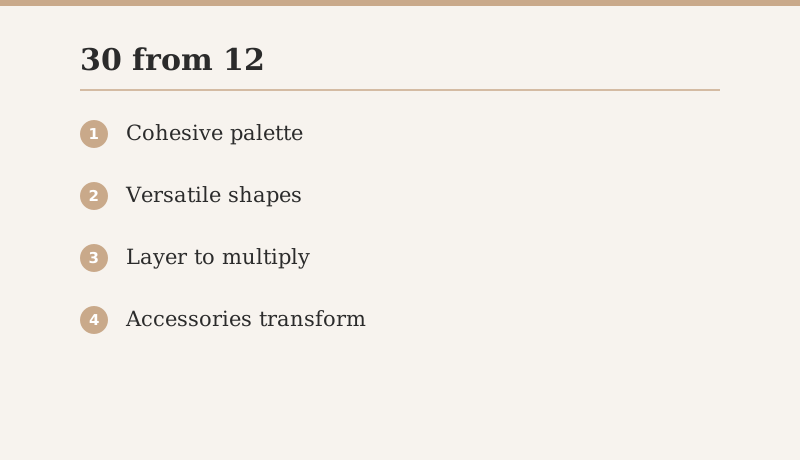
Getting thirty outfits from twelve pieces isn’t magic — it’s method. Build on a cohesive palette, choose versatile silhouettes, layer to multiply, and let accessories transform. Master this, and you’ll have a wardrobe that feels endless, from a closet that stays refreshingly small.
Keep Reading
This article is for general styling and informational purposes only. Trends, sizing, availability and pricing may vary by brand and season.