How to Mix Prints and Patterns Like a Pro

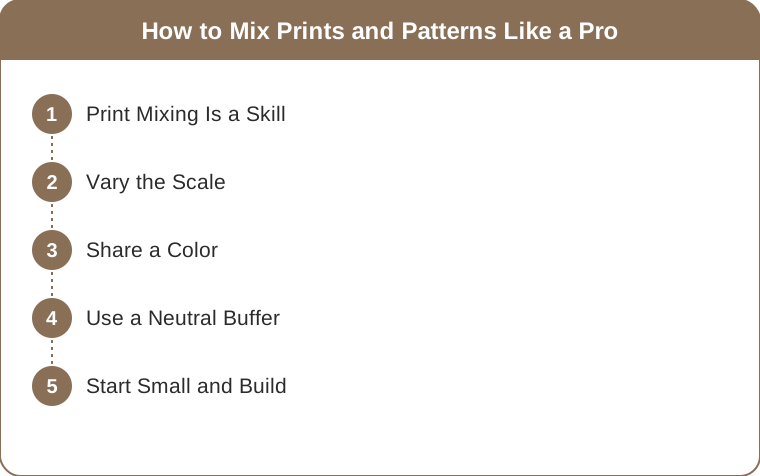
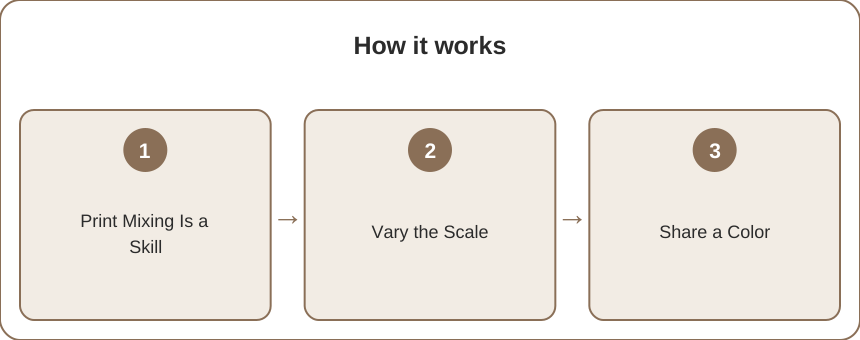
Quick Answer: Prints mix well together when you vary the scale (pair a large print with a small one), share at least one color between them, and use a solid neutral to break things up if the combination feels too loud. Master those three rules and print mixing goes from intimidating to genuinely easy.
You love the striped top. You love the floral skirt. But putting them on together feels like a fashion dare you’re not sure you should take. Here’s the good news: print mixing isn’t a talent some people are just born with — it’s a handful of rules, and once you know them, you can’t unlearn them.
Is mixing prints a skill you can actually learn?
Yes — combining patterns looks bold and instinctive from the outside, but it runs on technique, not luck. Once you know the three or four rules that govern it, it becomes surprisingly approachable. Anyone can pick this up in an afternoon of trying outfits on, and the rules apply whether you’re mixing two casual pieces or building a full head-to-toe look.
What’s the golden rule for mixing prints?
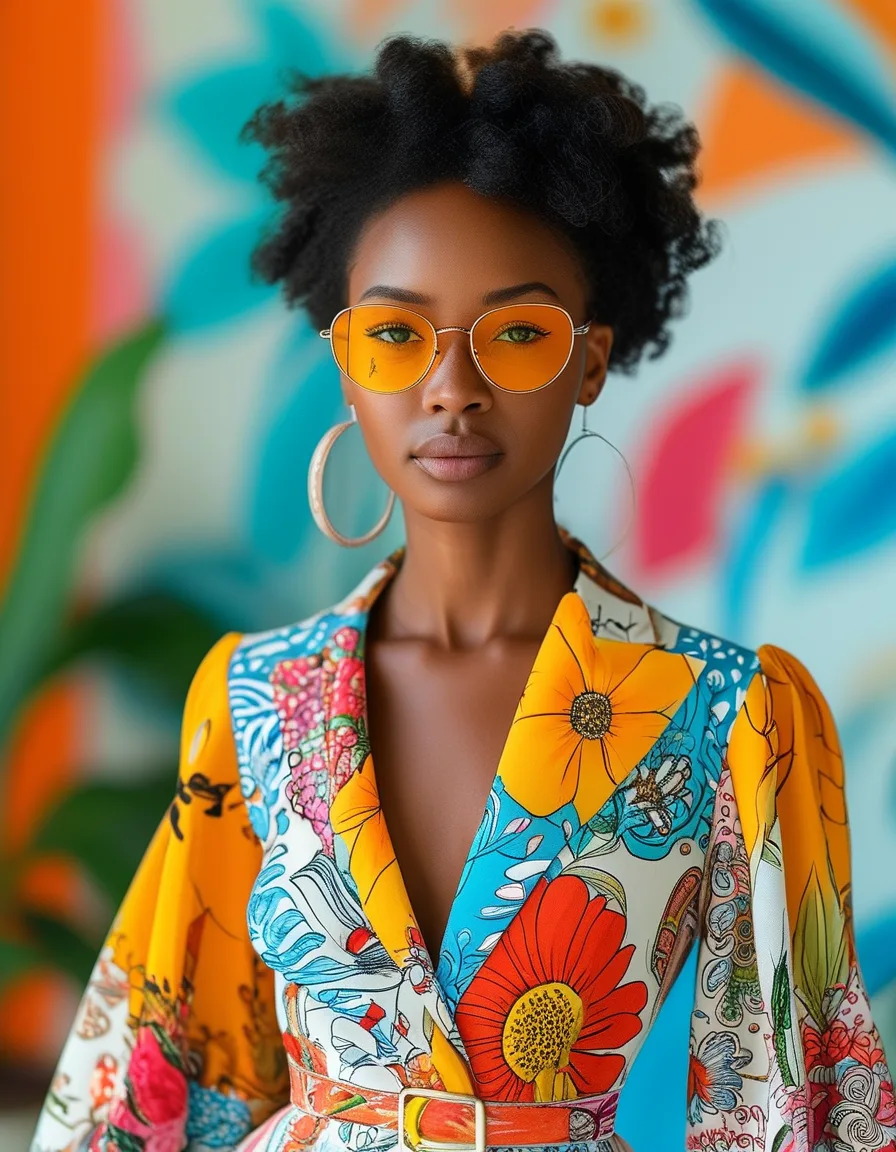
Vary the scale. Pairing a large-scale print with a small-scale one keeps them from visually competing for attention — a big floral with a tiny polka dot, or a chunky stripe with a fine houndstooth. Different scales coexist happily because your eye reads them as two separate layers instead of one clashing mess. This single trick alone prevents most print-mixing disasters, and it works even if the two prints have nothing else in common.
A good way to practice: pick one piece with an obviously large-scale motif and one with an obviously small, tight repeat. If both prints read as “medium” at a glance, that’s usually the moment an outfit starts to feel busy instead of intentional.

How do you make two prints look intentional together?
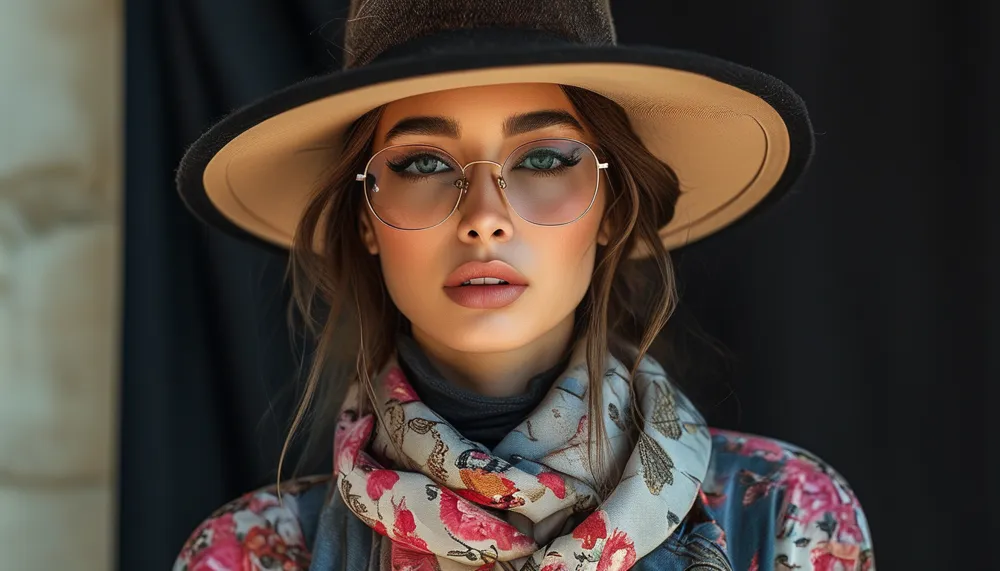
Share a color. Choosing prints that have at least one common color running through both ties the whole outfit together cohesively. A shared hue is the thread that unites two otherwise unrelated patterns — pull a print with navy and cream and pair it with a second print that also has navy in it, and suddenly the combination reads as planned rather than accidental.
What do you do if two prints feel like too much together?
Use a neutral buffer. Breaking up two bold prints with a solid neutral piece — a blazer, a cardigan, a bag, even a belt — calms the whole look down and adds visual balance. A neutral buffer gives the eye somewhere to rest between the two busier pieces. Think of it as a safety net for combinations you’re not 100% sure about yet.
Black, white, cream, camel, and denim all work as buffers — pick whichever one already shows up somewhere in your two prints so the whole outfit still feels connected rather than like three unrelated decisions stacked on top of each other.
Mistakes Everyone Makes When Mixing Prints
- Matching two prints of the same scale. Two medium florals or two medium stripes fight each other instead of complementing — always vary the size.
- Skipping the shared color. Two prints with zero overlapping colors can still work, but it’s a much harder combination to pull off than one with a common thread.
- Going bold on both pieces right out of the gate. Start with one loud print and one quiet one before attempting two statement pieces together.
- Giving up after one weird outfit. This is the one that surprises most beginners: even stylists get combinations wrong on the first try — it usually takes 3-4 attempts before a mix feels right, not one.
- Forgetting texture. Two prints in very different fabrics — a crisp cotton print next to a flowy silk one — can clash on feel even when the colors and scale are perfect. Keep textures reasonably close when you’re just starting out.
Quick Questions About Mixing Prints and Patterns
Can you mix more than two prints in one outfit?
Yes, but it’s harder — three prints work best when they share a color palette and vary meaningfully in scale (large, medium, small). For beginners, two prints is the easier place to start.
Do prints have to be the same color family to mix well?
No, but sharing at least one color makes it much easier. Two prints from completely different color families can still work if the scale contrast is strong enough to carry the combination.
What’s the easiest print combination for a beginner?
A large-scale print paired with a small, subtle print in a shared color — like a big floral top with fine pinstripe pants in a matching tone. It’s the lowest-risk combination and a great place to build confidence.
Do accessories count when you’re mixing prints?
Yes, and they’re actually the easiest place to start. A printed scarf, bag, or pair of shoes lets you practice pairing patterns in small doses before you commit to two full printed garments at once.
TL;DR
- Vary the scale — pair a large print with a small one
- Share at least one color between the two prints
- Use a solid neutral piece to buffer bold combinations
- Start small with one loud print and one quiet one before going bigger
- Expect a few misses — most people need 3-4 tries before a combination clicks
Keep Reading
This article is for general styling and informational purposes only. Trends, sizing, availability and pricing may vary by brand and season.